Things to Do in Iraq in January
January weather, activities, events & insider tips
Low Season · Budget Friendly
January Weather in Iraq
Long-run averages for January in Erbil
59°F (15°C)
High Temp
38°F (3°C)
Low Temp
1.0 inches (25 mm)
Rainfall
70%
Humidity
2
Sunny-Day UV
⚠ Dense morning fog along the Tigris and Euphrates river valleys can delay domestic flights out of Baghdad and reduce road visibility to under 100 m (328 ft) on intercity drives, between Baghdad and Hillah and in the southern lowlands. Schedule travel departures for late morning when possible, and build contingency time into any connection that depends on an early Baghdad flight.
⚠ Mountain roads in Kurdistan above 1,200 m (3,937 ft), the routes between Shaqlawa and Rawanduz and the Hamilton Road toward the Iranian border, can ice over or close after snowfall. Four-wheel drive and local driver knowledge are strongly advisable on secondary highland routes in January, and conditions can change within hours.
What's On in Iraq in January
Iraq observes New Year's Day on Friday 1 January 2027 and Army Day on Wednesday 6 January 2027. January has an average high of 15°C, an average low of 3°C, and average rainfall of 25 mm.
January Climate Compared
| Month | Avg high | Avg low | Rainfall |
|---|---|---|---|
| December | 17°C | 5°C | 25 mm |
| January | 15°C | 3°C | 25 mm |
| February | 18°C | 5°C | 28 mm |
January is 2°C cooler than December; 3°C cooler than February.
Long-run monthly averages. Source: Wikipedia.
Daylight in January
Day length: 10 h 00 min on 1 January, 10 h 11 min on 15 January (+13 min compared with mid-December).
Computed from the city's coordinates (sunrise to sunset, standard solar geometry).
Public Holidays and Long Weekends
- New Year's Day: Friday 1 January 2027 (3-day weekend (Fri–Sun))
- Army Day: Wednesday 6 January 2027
Holiday dates: Nager.Date. Long-weekend notes are computed from the weekday.
Notable Places to Visit
Places within 8 km, ordered by Wikipedia coverage. Opening hours as mapped in OpenStreetMap (fetched 2026-10-16); check before you go. Data © OpenStreetMap contributors (ODbL); descriptions from Wikidata (CC0).
Quick Answers
How much rain does Iraq get in January?
On average 25 mm in January.
How warm is Iraq in January?
Average highs are 15°C and average lows 3°C.
How long are the days in Iraq in January?
About 10 h 11 min of daylight on 15 January.
Are there public holidays in Iraq in January?
Yes: New Year's Day on Friday 1 January 2027; Army Day on Wednesday 6 January 2027. 1 of them create a long weekend.
What are some notable places to visit in Iraq?
Sippar (from OpenStreetMap and Wikidata).
Where to Stay in Iraq in January
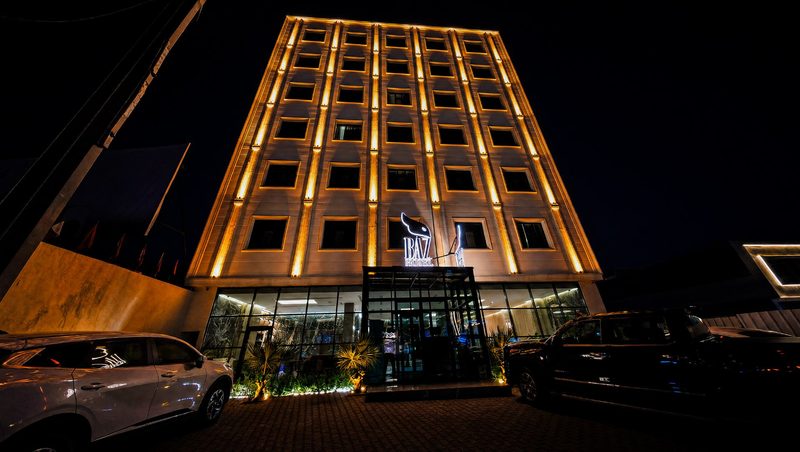
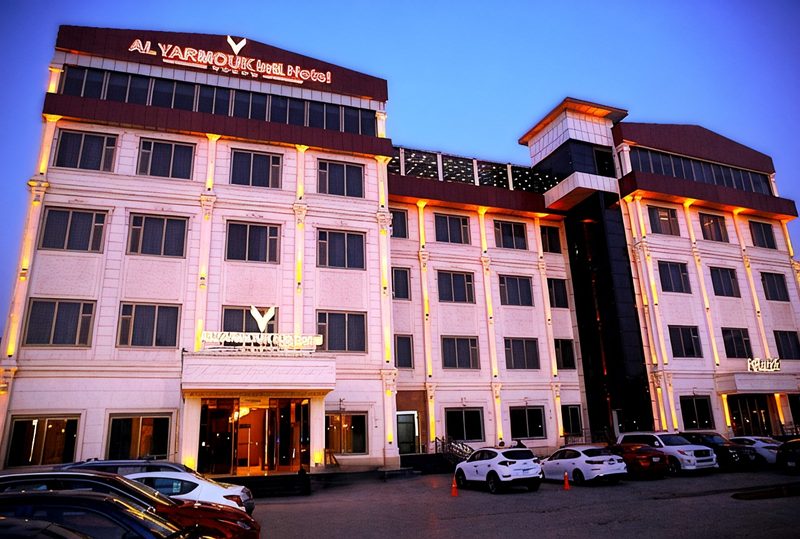
Hand-picked hotels across price tiers for January travellers.
Public Holidays in January
Dates that affect opening hours, transport and crowds
New Year's Day
Observed nationwide as a public holiday.
Army Day
Observed nationwide as a public holiday.
New Year's Day
Observed nationwide as a public holiday.
Army Day
Observed nationwide as a public holiday.
Packing Checklist
Bookmark this page — your progress is saved between visits
Need the full list with shopping links?
Climate-specific gear, brand recommendations, and what to leave at home.
View Iraq Packing List →Ready to plan your trip to Iraq?
Now that you've got the research covered, here's where to go next.
Explore More Activities in Iraq
Didn't see anything interesting yet?
Browse Viator's full catalog of tours, day trips, food experiences, and private guides in Iraq.
See All Iraq Tours on Viator